
The Chicago Physics Department is a center for new research and top-notch learning. It creates a place where everyone feels welcome and valued.

The department is dedicated to making a supportive community. It offers chances for students from all walks of life to succeed. The University of Chicago Physics Dept is known for its tough academic courses and groundbreaking research. It’s the perfect spot for students to dive into physics.
Key Takeaways
- Academic excellence through rigorous programs
- Research opportunities in cutting-edge initiatives
- A commitment to diversity and inclusivity
- Welcoming environment for students from various backgrounds
- Opportunities for students to thrive in physics
Overview of the University of Chicago Physics Department
The University of Chicago Physics Department has a long history and a strong focus on research across fields. It has a team of renowned experts in various fields of physics. This team helps make the department stand out globally.
The department leads in physics research, using new methods and strict standards. It’s known for its innovative and rigorous approach.
History and Legacy of Excellence
The department has been involved in major projects like the Manhattan Project. It’s dedicated to expanding human knowledge. Its legacy shows in its research and academic programs.
The uchicago physics faculty helps shape these programs. They focus on critical thinking and innovation.
Global Rankings and Recognition
The University of Chicago Physics Department is known worldwide for its research and faculty. It’s often ranked among the best physics departments globally. This attracts talent from all over.
The department offers many research opportunities physics uchicago. It’s a key place for students wanting to do advanced physics research. Working with the department’s top faculty is a big draw.
The University of Chicago Physics Department is a leader in physics. Its faculty and research opportunities are highly respected. It’s a top choice for physics students and researchers.
How to Navigate the University of Chicago Physics Dept Programs
Finding your way through the University of Chicago Physics Department’s programs is easy with some help. The department has many academic programs for different levels of study.
Undergraduate Physics Programs
The University of Chicago has two undergraduate physics degrees. You can choose between a Bachelor of Arts in Physics or a Bachelor of Science in Physics.
Bachelor of Arts in Physics
The Bachelor of Arts in Physics is for students who love physics and want to mix it with other subjects. It lets you explore physics in a liberal arts setting.
Bachelor of Science in Physics
The Bachelor of Science in Physics is for those serious about physics. It’s perfect if you aim for a physics career or related fields.
| Program | Focus | Career Path |
| Bachelor of Arts in Physics | Liberal Arts, Interdisciplinary | Diverse fields, including non-technical careers |
| Bachelor of Science in Physics | Technical, Scientific | Physics, Research, Engineering |
Graduate and Doctoral Opportunities
For those wanting to go further, the University of Chicago has graduate physics programs. These include Master’s and PhD options.
Master’s Programs
The Master’s program in physics at the University of Chicago offers advanced training. It includes research and specialization opportunities.
PhD Program Structure
The PhD program in physics focuses on original research and academic achievement. Students collaborate with faculty on innovative research projects.
Core Curriculum and Course Structure
The Physics Department at the University of Chicago focuses on a well-rounded education. It offers a core curriculum and various courses. This ensures students deeply understand physics and are ready for advanced studies and research.
Foundational Physics Courses
The foundational courses at the University of Chicago give students a strong base in physics. They cover key topics like mechanics, electromagnetism, and thermodynamics. Key courses include:
- Classical Mechanics
- Electromagnetism
- Thermodynamics and Statistical Mechanics
Advanced Specialization Tracks
As students move forward, they can dive into advanced specialization tracks. These tracks focus on areas like quantum mechanics, condensed matter physics, and particle physics. The department’s advanced courses aim to challenge and prepare students for leading-edge research.
Interdisciplinary Course Options
The University of Chicago Physics Department also has interdisciplinary courses. These courses cover fields like astronomy, chemistry, and biophysics. They help students see how physics applies in other sciences. By exploring interdisciplinary studies, students gain a deeper understanding of physics in different contexts.
Research Opportunities at UChicago Physics
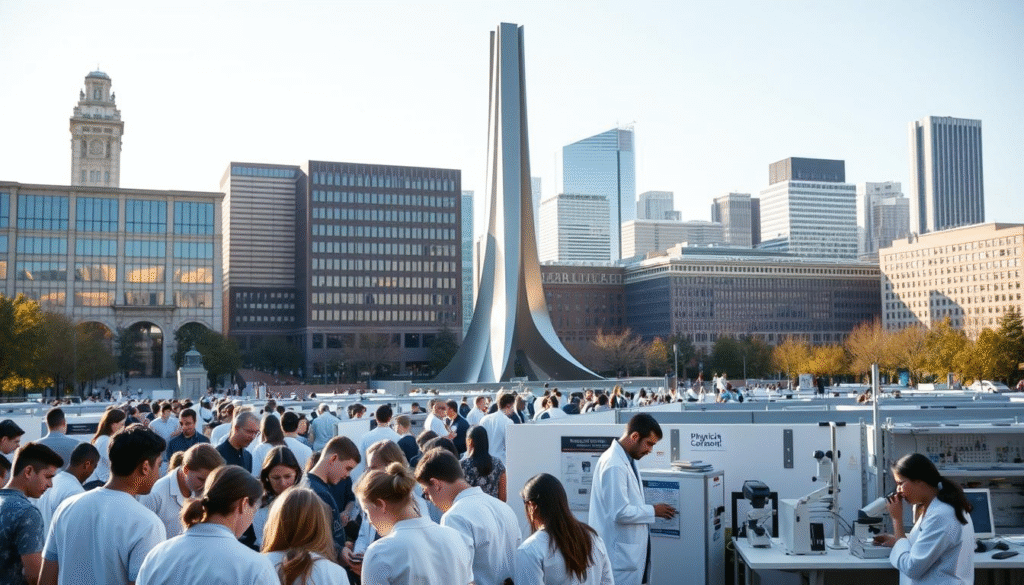
The University of Chicago’s Physics Department offers unparalleled research opportunities for students. It’s known for its innovative and interdisciplinary research. This research often involves collaborations with other departments and institutes.
Current Research Initiatives
The department is working on various research projects. These projects cover theoretical physics to experimental studies. Some of the key areas of focus include:
- Condensed matter physics
- High-energy particle physics
- Cosmology and astrophysics
| Research Area | Description | Faculty Involved |
| Condensed Matter Physics | Study of materials at the atomic scale | Prof. John Doe, Prof. Jane Smith |
| High-Energy Particle Physics | Exploration of fundamental particles and forces | Prof. Bob Johnson, Prof. Alice Brown |
How to Join Undergraduate Research Programs
Undergraduate students can join research programs by contacting faculty members. The department offers guidance and support to help students find research opportunities.
Securing Graduate Research Fellowships
Graduate students can apply for research fellowships. The department provides resources and mentorship to help with applications. Winning fellowships can offer funding and prestige.
State-of-the-Art Physics Labs and Facilities
The University of Chicago Physics Department is known for its top-notch labs. These labs give students and teachers the tools they need to explore the physical world.
Laboratory Resources and Equipment
The department’s labs have everything from simple setups to advanced tools. This variety supports a wide range of research, from studying materials to exploring high-energy particles.
Accessing Experimental Facilities
Getting into the experimental facilities is easy. The department makes sure everyone gets the training needed to use the equipment safely and well.
Safety Protocols and Training
Safety is a big deal in the labs. There are detailed training programs to teach users about safety and what to do in emergencies. This keeps the work environment safe.
Computing and Simulation Facilities
The department also has top-notch computing and simulation areas. These help researchers do complex simulations and analyze big data. This boosts the department’s research abilities.
| Facility | Description | Access |
| Experimental Labs | Equipped with cutting-edge experimental equipment | Available to students and faculty upon application |
| Computing Facilities | Advanced computing resources for simulations and data analysis | Accessible to researchers with project approval |
The University of Chicago Physics Department really invests in its labs. This shows its dedication to a top-notch research setting. By mixing lab work with computer simulations, the department supports a rich and varied research culture.
Working with Distinguished Faculty and Academic Mentors
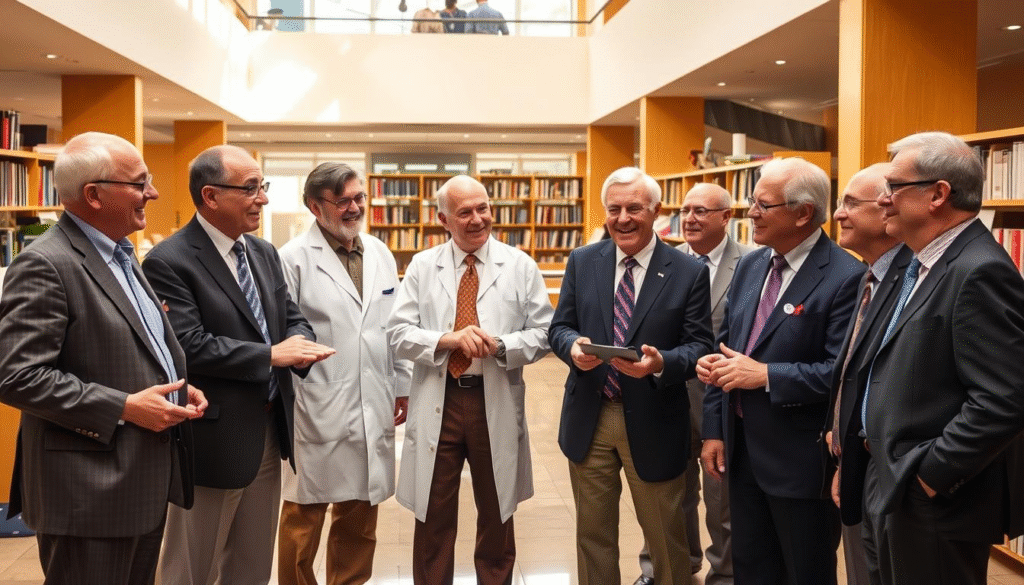
The University of Chicago Physics Department has a faculty full of Nobel laureates and top researchers. This gives students amazing learning chances. The department aims to create a place where everyone works together, pushing for the best in learning and new ideas.
Nobel Laureates and Notable Professors
The University of Chicago Physics Department is proud of its faculty. It includes Nobel laureates and famous professors. These experts are not just leaders in their fields but also great mentors for students.
They help students grow in their studies. Their presence makes the learning environment even better, giving students a chance to learn from the best.
How to Establish Faculty-Student Collaborations
Working with faculty members is a big part of the University of Chicago Physics Department’s culture. Students are encouraged to talk to professors whose work they find interesting. There are many chances for students to work with professors on projects.
This way, students get real-world experience and make important connections with their mentors.
Finding the Right Academic Advisor
Finding the right academic advisor is key for students at the University of Chicago Physics Department. The department offers mentorship, with advisors ready to help students. Students should look for advisors who share their interests and can help them reach their goals.
| Faculty Member | Research Interest | Contact Information |
| Dr. Jane Smith | Condensed Matter Physics | jane.smith@uchicago.edu |
| Dr. John Doe | Particle Physics | john.doe@uchicago.edu |
| Dr. Emily Johnson | Astrophysics | emily.johnson@uchicago.edu |
Step-by-Step Admission Process for Physics Programs
Students wanting to join the University of Chicago Physics Department must go through a few steps. The department offers both undergraduate and graduate programs. Each has its own set of rules and deadlines.
Undergraduate Application Requirements
The University of Chicago Physics Department looks for students who excel academically and are passionate about physics. To apply, students need to use the University’s admission portal.
Required Documentation
Applicants must give several documents, including:
- High school transcripts
- Standardized test scores (SAT or ACT)
- Letters of recommendation
- Personal statement
Important Deadlines
Applicants need to know the application deadlines. The University of Chicago’s deadline for regular decision is usually in early January.
Graduate Admission Criteria
For graduate programs, the admission process is very competitive. The department seeks candidates with a strong physics background and research experience.
GRE and Subject Test Preparation
Applicants must submit GRE scores, including the Physics Subject Test. Good preparation is key to getting high scores.
Research Statement Guidelines
A well-written research statement is vital. It should explain the applicant’s research interests and how they match the department’s faculty expertise.
Tips for a Successful Application
To boost their chances, applicants should make sure their application is complete. It should highlight their academic achievements and research experience. It’s also beneficial to reach out to possible faculty advisors to talk about research interests.
“The key to a successful application is demonstrating a clear passion for physics and a good fit with our department’s research focus.”
| Application Component | Undergraduate | Graduate |
| Transcripts | High school transcripts | Bachelor’s/Master’s transcripts |
| Test Scores | SAT/ACT | GRE (including Physics Subject Test) |
| Personal Statement | Statement of interest | Research statement |
By following these guidelines and preparing all parts of the application well, students can improve their chances of getting into the University of Chicago Physics Department’s programs.
Student Life in the Physics Community
The University of Chicago Physics Department is home to a lively community of students. They are all passionate about physics and dedicated to doing well in their studies. This community thrives through student groups, seminars, and events all year long.
Joining Physics Student Organizations
The Physics Department at the University of Chicago has many student groups. These groups meet the different interests of students. They offer a chance to talk, work together, and join in on physics-related activities.
- Organizing seminars and workshops
- Hosting guest lectures by renowned physicists
- Participating in physics-related competitions
Participating in Seminars, Colloquia, and Events
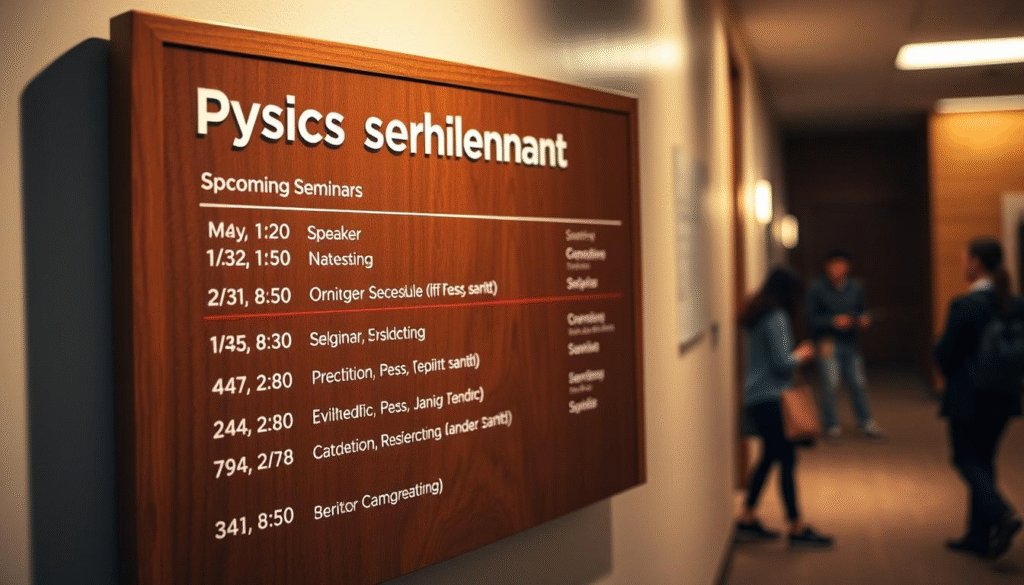
The department holds many seminars, colloquia, and events. These are key to physics students’ academic lives. They get to hear from top physicists and learn about the latest in physics research. The uchicago physics seminar schedule helps students keep up with these events.
Maintaining Work-Life Balance for Physics Students
Physics students need to balance their studies and personal lives. The University of Chicago Physics Department helps with this. They offer advice and support to manage school work and enjoy campus life.
- Prioritizing tasks and managing time effectively
- Engaging in extracurricular activities to reduce stress
- Seeking support from peers and academic advisors
Being part of the University of Chicago Physics Department’s community is rewarding. Students get to enhance their studies, make lasting connections, and set the stage for a future in physics.
Career Pathways After UChicago Physics
University of Chicago graduates in physics are ready for many careers. They learn a lot from the department’s tough programs and research. This prepares them for success in different fields.
Transitioning to Industry Opportunities
Many UChicago Physics graduates move into industry jobs. They use their analytical skills in tech, finance, and consulting. Employers appreciate their training and research background.
Key industry roles include data analysis, software development, and research and development. Some even start their own businesses.
Pursuing Academic and Research Careers
For those aiming for academia or research, UChicago Physics is a great start. Graduates land top research and teaching jobs at universities.
The department focuses on original research. Working with famous professors helps students face research career challenges.
Learning from Alumni Success Stories
UChicago Physics alumni success stories show the department’s talent nurturing. They’ve made it in academia and industry. Their experiences offer insights to current students.
“The University of Chicago Physics Department provided me with the perfect blend of theoretical knowledge and practical research experience, which has been invaluable in my career.”
These stories show the department’s dedication to the next generation of physicists and researchers.
Conclusion
The University of Chicago Physics Department is known for its tough academic programs and new research. It has a strong reputation for excellence. Students get a full education in physics, covering both theory and experiments.
The department’s teachers are top-notch, helping students grow both academically and professionally. There are many chances for research, working with others, and moving up in your career. This makes the University of Chicago Physics Dept a top spot for physics students.
In short, the University of Chicago Physics Department is a top place for learning and research. Its long history and worldwide fame make it a great choice for physics careers.
Sources
The information in this article comes from the University of Chicago Physics Department’s official resources.
- Welcome to UChicago Department of Physics
- Research initiatives at the University of Chicago Physics Department
- Additional information on the department’s programs and research initiatives
These sources give a full view of the department’s academic programs, research chances, and faculty.
FAQ
What programs does the University of Chicago Physics Department offer?
The University of Chicago Physics Department offers many programs. These include undergraduate degrees in Physics, like the Bachelor of Arts and Bachelor of Science. They also have Master’s and PhD programs for graduate students.
What research opportunities are available in the University of Chicago Physics Department?
The department offers many research chances. This includes programs for undergrads and fellowships for graduate students. They focus on working together across different fields.
What is the curriculum like in the University of Chicago Physics Department?
The curriculum gives a solid base in physics. It also includes courses from other fields like astronomy and chemistry. This lets students explore more areas of interest.
Who are some notable faculty members in the University of Chicago Physics Department?
The department is proud of its faculty. They include Nobel laureates and well-known professors. This means students get to work with experts on research projects.
What is the admission process like for the University of Chicago Physics Department?
Getting into the department is competitive. They have strict rules for both undergrad and graduate programs. You’ll need to meet certain requirements and watch important dates.
What kind of laboratory facilities does the University of Chicago Physics Department have?
The department has top-notch lab facilities. Students and faculty have access to the latest equipment. There are also training programs to ensure safe use.
How can students get involved in the physics community at the University of Chicago?
Students can join physics clubs and attend seminars. They can also participate in events and work with faculty on projects.
What career pathways are available to graduates of the University of Chicago Physics Department?
Graduates have many career options. They can go into industry, academia, or research. Alumni success stories show the many paths available.
How can I find out more about the University of Chicago Physics Department’s research initiatives?
Visit the department’s website at https://physics.uchicago.edu/. Or check out their research page at https://physics.uchicago.edu/research/ for more info.
What kind of support does the University of Chicago Physics Department offer to its students?
The department offers academic guidance and mentorship. Advisors help students with their studies. They also provide advice on balancing work and life.