
A staggering 75% of adults in the United States report experiencing stress or anxiety daily. This significantly impacts their overall well-being. It shows the urgent need for individuals to adopt a balanced lifestyle. This lifestyle should foster physical, mental, and emotional health.

Embracing a healthy lifestyle means making conscious choices. These choices include physical activity, nutrition, and stress management. By adding simple yet effective habits to daily routines, individuals can greatly improve their quality of life.
This article offers a detailed guide to achieving a balanced lifestyle. It focuses on practical strategies for improving well-being and promoting long-term health.
Key Takeaways
- Understanding the importance of a balanced lifestyle for overall well-being.
- Simple strategies for incorporating physical activity into daily routines.
- Practical tips for managing stress and promoting mental health.
- Guidance on making healthy nutritional choices.
- The benefits of adopting a balanced lifestyle for long-term health.
The Fundamentals of Holistic Wellness
Achieving complete well-being requires a holistic approach that encompasses physical, mental, and emotional health. Holistic wellness is about recognizing the complex relationships between these aspects. It involves adopting practices that foster balance and harmony.
Physical, Mental, and Emotional Dimensions
Holistic health focuses on the interaction between physical activity, mental well-being, and emotional resilience. Engaging in regular physical activity boosts both physical and mental health. It helps reduce stress and anxiety.
The Science Behind Integrated Well-being
Research supports the importance of a balanced lifestyle for overall well-being. This includes a nutritious diet, regular physical activity, and effective stress management. Such a lifestyle is scientifically proven to offer numerous benefits.
Research-Backed Benefits of a Balanced Lifestyle
| Aspect of Health | Benefits of Balanced Lifestyle |
| Physical Health | Reduced risk of chronic diseases, improved physical function |
| Mental Health | Reduced stress, improved mood, enhanced cognitive function |
| Emotional Well-being | Increased emotional resilience, better relationships |
By understanding and addressing the various dimensions of health, individuals can adopt a holistic wellness approach. This leads to a more balanced and fulfilling life.
Assessing Your Current Wellness Status
To start a wellness journey, understanding your current health is key. This first step helps you see your strengths and weaknesses in wellness areas.
Self-Evaluation Tools and Techniques
Self-evaluation tools are a good way to check your wellness status. These tools can be online assessments or journaling to reflect on habits and behaviors.
Effective self-evaluation techniques include:
- Keeping a wellness journal to track daily habits and feelings
- Using online wellness assessment tools to identify areas for improvement
- Engaging in mindfulness practices to increase self-awareness
Identifying Priority Areas for Improvement
After assessing your wellness, focus on areas needing improvement. Analyze your self-evaluation results to find specific life areas needing attention.
Creating Your Wellness Baseline Measurements
Setting baseline measurements is key for tracking progress. This means setting specific, measurable goals for your priority areas.
For instance, if physical activity is a focus, your baseline might be your current weekly exercise time and intensity.
| Wellness Dimension | Current Status | Goal |
| Physical Activity | 30 minutes/week | 150 minutes/week |
| Nutrition | High processed food intake | 5 servings of fruits and vegetables/day |
| Sleep Quality | 5 hours/night | 7-8 hours/night |
This table helps you visually track your progress and stay motivated on your wellness journey.
Developing Your Personalized Wellness Plan
Creating a personalized wellness plan is a key step towards achieving a balanced lifestyle. It involves understanding your unique needs, preferences, and goals. This helps in crafting a tailored approach to wellness.
Setting SMART Wellness Goals
To begin, setting SMART (Specific, Measurable, Achievable, Relevant, Time-bound) wellness goals is essential. This framework makes sure your objectives are clear and achievable. For example, instead of saying “I want to be healthier,” a SMART goal could be “I will reduce my body fat percentage by 5% in the next 3 months. I will do this by exercising for 30 minutes, 3 times a week.”
Creating Sustainable Habits
After setting your goals, focus on creating sustainable habits that match your objectives. Identify daily routines and practices that can be kept up over time. This includes regular physical activity, healthy eating, or stress management techniques.
Tracking Progress and Adjusting Strategies
Tracking your progress is vital to the success of your wellness plan. Use journals, mobile apps, or wearable devices to monitor your advancements. Regularly reviewing your progress helps you make informed adjustments to your strategies. This ensures you stay on track to meet your wellness goals.
By following these steps and staying committed to your personalized wellness plan, you can achieve a more balanced and fulfilling lifestyle.
Nutrition as the Foundation for Optimal Health
The cornerstone of optimal health is the daily nutritional choices we make. A balanced diet is essential, providing the body with necessary nutrients for proper functioning. It supports our overall well-being. Nutrition goes beyond just eating; it’s about fueling our bodies with the right foods to maintain health and prevent disease.
Balanced Diet Principles for Americans
A balanced diet for Americans should include a variety of foods from all food groups in the right proportions. This includes:
- Fruits and vegetables
- Whole grains
- Lean proteins
- Healthy fats
- Dairy or dairy alternatives
Emphasizing whole, unprocessed foods is key. These foods are rich in nutrients and fiber, and low in unhealthy fats, added sugars, and sodium.
Meal Planning and Preparation Strategies
Effective meal planning and preparation are essential for maintaining a balanced diet. This involves:
- Planning meals around seasonal produce to ensure freshness and variety
- Preparing meals in advance to save time and reduce food waste
- Using a variety of cooking methods to keep meals interesting
Portion Control Techniques
Understanding and practicing portion control is vital for maintaining a healthy weight and ensuring we’re getting the right amount of nutrients. Techniques include:
- Using smaller plates to reduce portion sizes
- Measuring food portions
- Eating slowly and stopping when satisfied, not full
Hydration Guidelines for Well-being
Adequate hydration is essential for overall health, affecting energy levels, skin health, and digestion. Guidelines recommend:
- Drinking at least eight glasses of water a day
- Monitoring urine output to ensure it’s pale yellow or clear
- Including hydrating foods like fruits and vegetables in the diet
Staying hydrated supports bodily functions and can enhance overall well-being.

Physical Activity for Enhanced Wellness
Improving your wellness through physical activity requires finding the right balance and type of exercise. It’s not just about physical health; it’s also vital for mental well-being.
Finding Exercise Types That Match Your Lifestyle
Finding the right exercise for your lifestyle is essential for a consistent routine. Whether it’s yoga, jogging, swimming, or weightlifting, the best exercise is one you enjoy and can maintain over time.
Incorporating Movement Throughout Your Day
Making movement a part of your daily routine is simple. Try taking the stairs instead of the elevator or going for a short walk during your lunch break. These small actions can greatly boost your physical activity levels.
Strength Training Benefits for Long-term Health
Strength training is a critical part of a balanced exercise routine. It not only builds muscle but also strengthens bones, improving overall health and reducing chronic disease risk.
Cardiovascular Exercise Recommendations
Cardiovascular exercises, like running, cycling, or swimming, are key for heart health. Aim for at least 150 minutes of moderate-intensity cardio each week for optimal health benefits.
Combining strength training with cardiovascular exercise creates a well-rounded fitness plan. This supports long-term health and wellness.
Mental Health Practices for Daily Balance
Developing mental health practices is key to achieving daily life balance. In today’s fast-paced world, maintaining mental well-being is essential for overall health.
Effective Stress Management Techniques
Managing stress is vital for mental health. Techniques like mindfulness meditation and deep breathing exercises can lower stress levels. Regular physical activity also helps, as it releases endorphins that boost mood and reduce stress.
- Mindfulness meditation
- Deep breathing exercises
- Regular physical activity
Building Emotional Resilience
Emotional resilience is the ability to recover from adversity. Building this resilience involves developing coping strategies and maintaining a positive outlook. Practices like gratitude journaling and connecting with nature can boost emotional well-being.
| Practice | Benefit |
| Gratitude Journaling | Enhances positive thinking |
| Connecting with Nature | Reduces stress and improves mood |
When and How to Seek Professional Support
Knowing when to seek professional help is critical. If feelings of anxiety or sadness last, it’s vital to consult a mental health professional. They can offer strategies and therapies suited to individual needs.
Digital Tools for Mental Health Maintenance
Several digital tools support mental health. Apps like Headspace and Calm provide guided meditations and mindfulness exercises. These tools are great for those who prefer structured programs.

Incorporating these mental health practices into daily life can lead to better balance and overall well-being.
The Critical Role of Sleep in Wellness
Quality sleep is key for physical recovery, mental clarity, and emotional stability. It’s not just about rest; it’s a cornerstone of wellness, impacting health in many ways.
Creating Optimal Sleep Environments
To get quality sleep, a sleep-friendly environment is essential. Your bedroom should be dark, quiet, and at a cozy temperature. A good mattress and pillows can also boost your sleep.
Developing Healthy Sleep Routines
Having a regular sleep schedule is critical. Going to bed and waking up at the same time every day helps your body’s internal clock. Activities like reading or meditation before bed can signal it’s time to sleep.
Addressing Common Sleep Disruptors
Things like caffeine, electronic devices, and stress can disrupt sleep. Cutting down on caffeine and avoiding screens before bed helps. Stress management, like deep breathing or journaling, can also reduce sleep issues.
By tackling these challenges and setting up a sleep-friendly space, you can greatly improve your sleep. This, in turn, boosts your overall wellness.
Mindfulness and Meditation for Present-Moment Awareness
Mindfulness and meditation are powerful tools for cultivating present-moment awareness and improving overall well-being. These practices have been shown to reduce stress, enhance mental clarity, and promote emotional balance.
Simple Techniques for Beginners
For those new to meditation, starting with simple techniques can be beneficial. Focused breathing is a great place to begin, where you concentrate on your breath, observing its sensation and rhythm. Another technique is body scan meditation, where you bring awareness to different parts of your body, releasing tension as you exhale.
Integrating Mindfulness into Daily Life
Mindfulness isn’t limited to formal meditation practice. It can be woven into daily activities such as eating, walking, or even doing the dishes. By paying attention to the sensations, sights, and sounds of these tasks, you can turn them into mindfulness exercises.
Guided Practice Resources
For those looking for guidance, there are numerous apps and online resources available. Some popular mindfulness apps include:
- Headspace
- Calm
- Insight Timer
| App | Key Features | Cost |
| Headspace | Personalized meditation sessions, sleep stories | $12.99/month |
| Calm | Guided meditations, sleep stories, relaxing music | $14.99/month |
| Insight Timer | Free guided meditations, timer for personal practice | Free, with premium options |
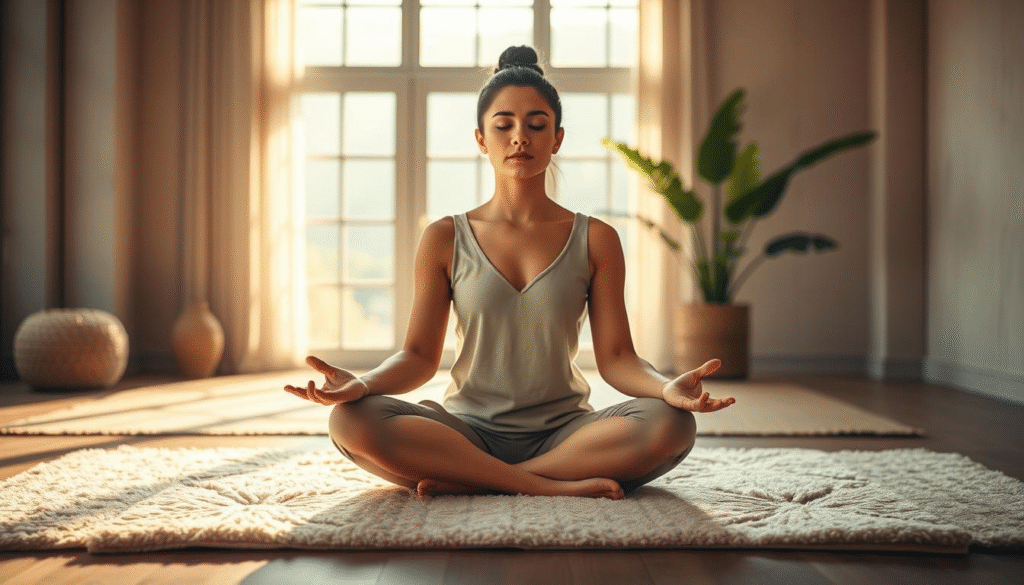
By incorporating mindfulness and meditation into your daily routine, you can experience the benefits of present-moment awareness and enhance your overall well-being.
Social Wellness and Community Engagement
Building strong relationships and engaging with the community can significantly enhance one’s quality of life. Social wellness is a vital component of overall well-being, influencing both mental and physical health.
Nurturing Meaningful Connections
Developing and maintaining meaningful relationships requires effort and dedication. It involves being a good listener, showing empathy, and being supportive. Investing in relationships can lead to a stronger sense of belonging and improved mental health.
Finding Your Supportive Community
Engaging with a community that shares similar interests or values can provide a sense of purpose and support. This can be achieved through joining clubs, volunteering, or participating in local events. Community engagement not only enhances social wellness but also fosters a sense of connection and belonging.
Balancing Social Interaction and Personal Time
While social engagement is vital, it’s equally important to balance it with personal time. Setting boundaries and prioritizing self-care can help maintain this balance. This ensures that social interactions are beneficial, not overwhelming.
By focusing on social wellness and community engagement, individuals can enhance their overall quality of life. This leads to a more balanced and fulfilling lifestyle.
Environmental Wellness and Creating Healthy Spaces
Environmental wellness is deeply connected to the quality of our living and working spaces. The environment around us significantly influences our overall health and well-being.
Designing Health-Promoting Living Environments
Creating a healthy living environment involves thoughtful design and planning. This includes ensuring good ventilation, using natural light, and incorporating elements of nature into our spaces.
Key elements to consider are:
- Maximizing natural light
- Incorporating plants for air purification
- Using non-toxic materials in construction and decor
Reducing Toxins and Pollutants in Your Home
Reducing exposure to toxins and pollutants is essential for a healthy home. This can be achieved by:
- Using eco-friendly cleaning products
- Avoiding synthetic fragrances
- Regularly checking and maintaining HVAC systems
Sustainable Practices for Environmental Well-being
Adopting sustainable practices is vital for environmental wellness. Simple actions like recycling, conserving water, and reducing energy consumption can make a significant difference.

Conclusion: Sustaining Your Wellness Journey
Long-term health and wellness require consistent effort and perseverance. This article has shown that a holistic approach to wellness includes physical, mental, and emotional well-being. It’s a journey that goes beyond just physical health.
To keep your wellness journey going, it’s essential to stick with the habits and practices you’ve started. This means continuing to focus on nutrition, physical activity, sleep, and mindfulness. These habits are the foundation of your wellness.
| Wellness Dimension | Key Practices |
| Physical Wellness | Regular exercise, balanced diet |
| Mental Wellness | Mindfulness, stress management |
| Emotional Wellness | Emotional resilience, social connections |
By staying committed to your wellness journey, you’ll see the long-term benefits of improved health and well-being. Remember, sustaining wellness is a continuous process. It needs patience, dedication, and self-care.
Sources
For further exploration of wellness strategies and to deepen your understanding of holistic well-being, the following references and wellness resources are recommended:
- Centers for Disease Control and Prevention: Wellness
- National Institutes of Health: Wellness
- Mindful.org: Meditation and Mindfulness
- American Heart Association: Healthy Living
These references offer a wealth of information on various aspects of wellness. They cover physical activity, nutrition, mental health, and mindfulness practices. They serve as valuable wellness resources for those looking to enhance their overall well-being.
FAQ
What is holistic wellness, and why is it important?
Holistic wellness is about the connection between physical, mental, and emotional health. It’s vital because it leads to a balanced lifestyle. This, in turn, improves overall well-being and quality of life.
How can I assess my current wellness status?
Assessing your wellness involves using tools like wellness quizzes and health risk assessments. Journaling is also helpful. These methods help pinpoint areas for improvement.
What are SMART wellness goals, and how do I set them?
SMART wellness goals are Specific, Measurable, Achievable, Relevant, and Time-bound. Start by setting clear objectives. Then, track your progress with measurable metrics. Create a plan with achievable targets and deadlines.
How can I maintain a balanced diet, and what are the key principles?
For a balanced diet, focus on whole foods like fruits, vegetables, whole grains, lean proteins, and healthy fats. Key principles include portion control, mindful eating, and staying hydrated.
What types of physical activity are most beneficial for wellness?
The best physical activities combine strength training, cardiovascular exercise, and flexibility exercises. Choose activities that fit your lifestyle, like walking or cycling. Incorporate them into your daily routine.
How can I manage stress and build emotional resilience?
Manage stress with mindfulness, meditation, deep breathing, and physical activity. Building emotional resilience requires a growth mindset, self-care, and social support when needed.
Why is sleep important for wellness, and how can I improve my sleep habits?
Sleep is essential for physical and mental restoration. Improve sleep by creating a sleep-friendly environment and maintaining a consistent schedule. Avoid stimulating activities before bedtime.
What is mindfulness, and how can I integrate it into my daily life?
Mindfulness is being present in the moment without judgment. Integrate mindfulness into daily activities like eating or walking. Focus on your senses and avoid distractions.
How can I build meaningful relationships and find supportive communities?
Meaningful relationships require authenticity, empathy, and engagement. Find supportive communities by joining groups that match your interests or volunteering. Participate in social activities to connect with others.
What are some ways to promote environmental wellness in my daily life?
Promote environmental wellness by reducing toxins at home and using eco-friendly products. Conserve water and energy. Adopt sustainable practices like recycling and composting.